Finniss River Trail
A scenic 8 km return paddle down the reed-lined Finniss River and its backwaters near Goolwa — through habitat shared by endangered birds, threatened fish and the ancient country of the Ngarrindjeri people.
- Distance
- ~8 km loop
- Difficulty
- Easy – Moderate
- Trail type
- Return / Loop
- From Adelaide
- 82 km south (Goolwa)
The Finniss River Trail is one of the closest easy paddles to Adelaide — a quiet, reed-lined river running east through wine country to meet the lower Murray near Goolwa. The trail follows the Finniss downstream from Wallys Landing through backwater lakes and sheltered channels before reaching the junction with Tookayerta Creek. Novices can turn back here; confident paddlers can continue a further 5 km to where the river meets the Murray at “The Hedge.”
About This Trail
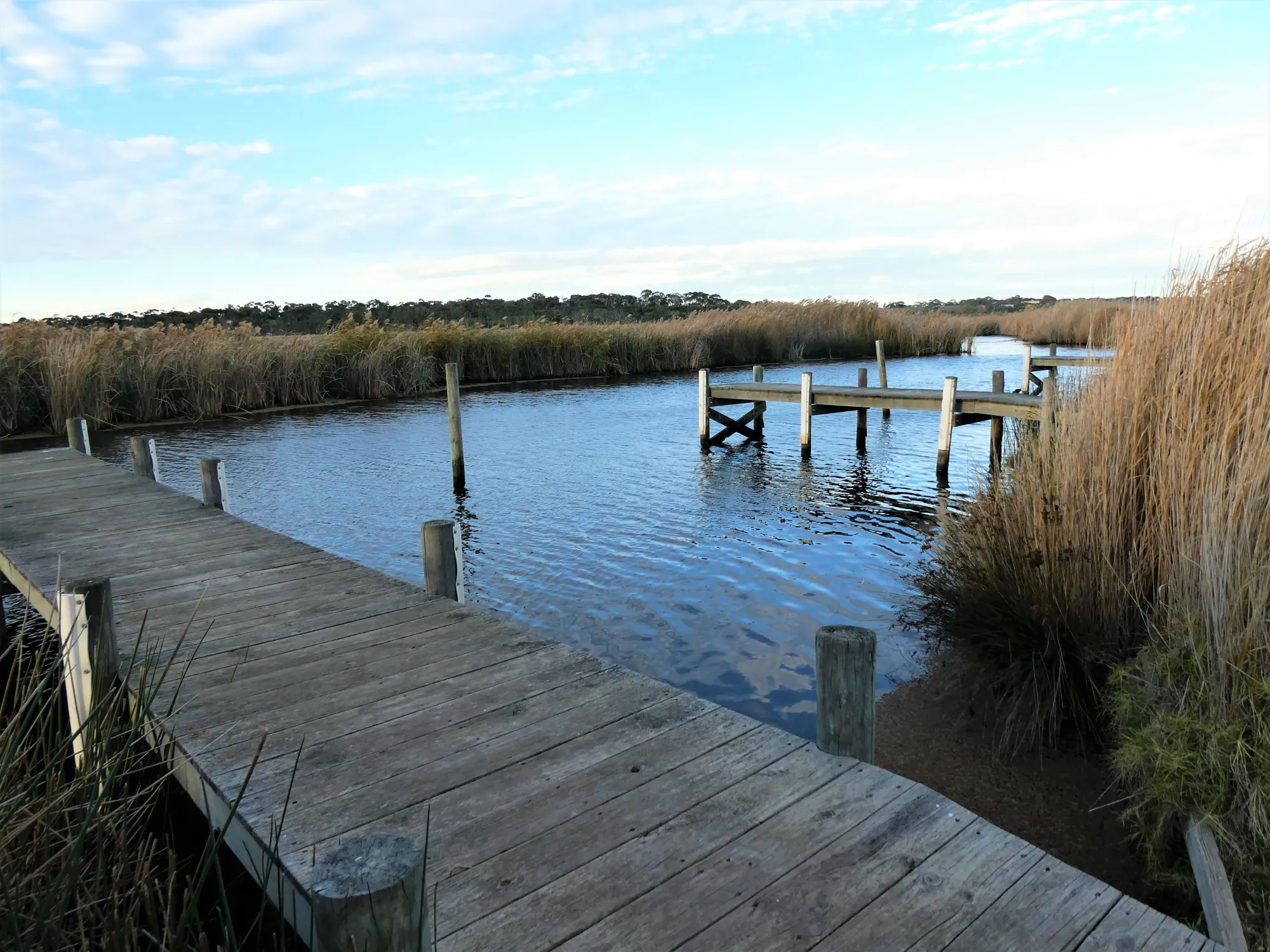
This is a return trail starting and finishing at Wallys Landing Reserve at the end of Tonkin Road, Finniss. The river flows east toward its junction with the Goolwa Channel, opposite Hindmarsh Island. The upper reach from Wallys Landing rapidly becomes choked with reeds, so the trail heads downstream only.
The trail is rated easy to moderate. The river section between Wallys Landing and Point B (Tookayerta Creek junction) is sheltered by reeds and suitable for novices. Conditions beyond Point B are more open — check weather carefully before proceeding, as wind can make the wider lower reach difficult for less experienced paddlers. The optional extension to the Murray is best attempted only in calm, settled conditions.

Paddle SA is the governing body of paddle sport and recreation in South Australia. It leads and supports paddling in South Australia and encourages the safe exploration of our waterways.
Paddling Trails South Australia has a range of trails to suit different abilities. Know your ability.
🌐 paddlesa.au →Launch Site & Route
| Site | Location | Notes |
|---|---|---|
| Wallys Landing Reserve Main launch | End of Tonkin Road, Finniss GPS: 35.4076 S; 138.8312 E | Parking available at launch site. No other facilities. |
Route Description (from Wallys Landing)
From Wallys Landing Reserve, head downstream. Immediately after launching, take the branch to the right — the left branch is short and ends at a bridge. There is no point paddling upstream; the river quickly becomes choked with reeds in that direction.
About half a kilometre downstream, an opening will appear on the eastern side of the stream leading into a lake ( Point A: GPS 35.4103 S; 138.8358 E). There is usually plenty of bird life to be found here. The lake can be followed downstream to where it re-enters the Finniss River.
From the lake re-entry, conditions can be weedy and algal blooms may be encountered. Keep to the middle of the waterway where it is clear. The cause of the algal blooms is at least partly attributable to the extensive irrigation farming in this area, with large areas of bordering land under irrigation for grape and wine production.
At Point B (GPS 35.4343 S; 138.8500 E) the river reaches its junction with Tookayerta Creek. The water here is generally clearer of weeds and the river widens out. Novices are recommended to turn back here and return to Wallys Landing via the main stream. If the weather is fine and conditions are settled, confident paddlers may continue downstream.
Return to Wallys Landing by retracing the route upstream. The paddle back is against the current but the Finniss is a slow-moving river and the return is generally straightforward. Total distance for the loop to Point B and return is approximately 8 km. Allow at least 4 hours.
Optional Extension — Point B to The Hedge
If weather conditions are fine and you are a confident paddler, you can continue downstream from Point B a further 5 km to where the Finniss meets the Murray River at a location known locally as “The Hedge.”
This section is more open than the sheltered upper reach and significantly more exposed to wind. Check conditions carefully before committing to this extension. If the wind picks up while you are in this section, return immediately — conditions can become unsafe for small craft quickly.
The extension is a return paddle: retrace to Wallys Landing from The Hedge. Adding this section brings the total distance to approximately 18 km. Allow a full day and ensure you have adequate water, food and sun protection.
Wildlife & Environment
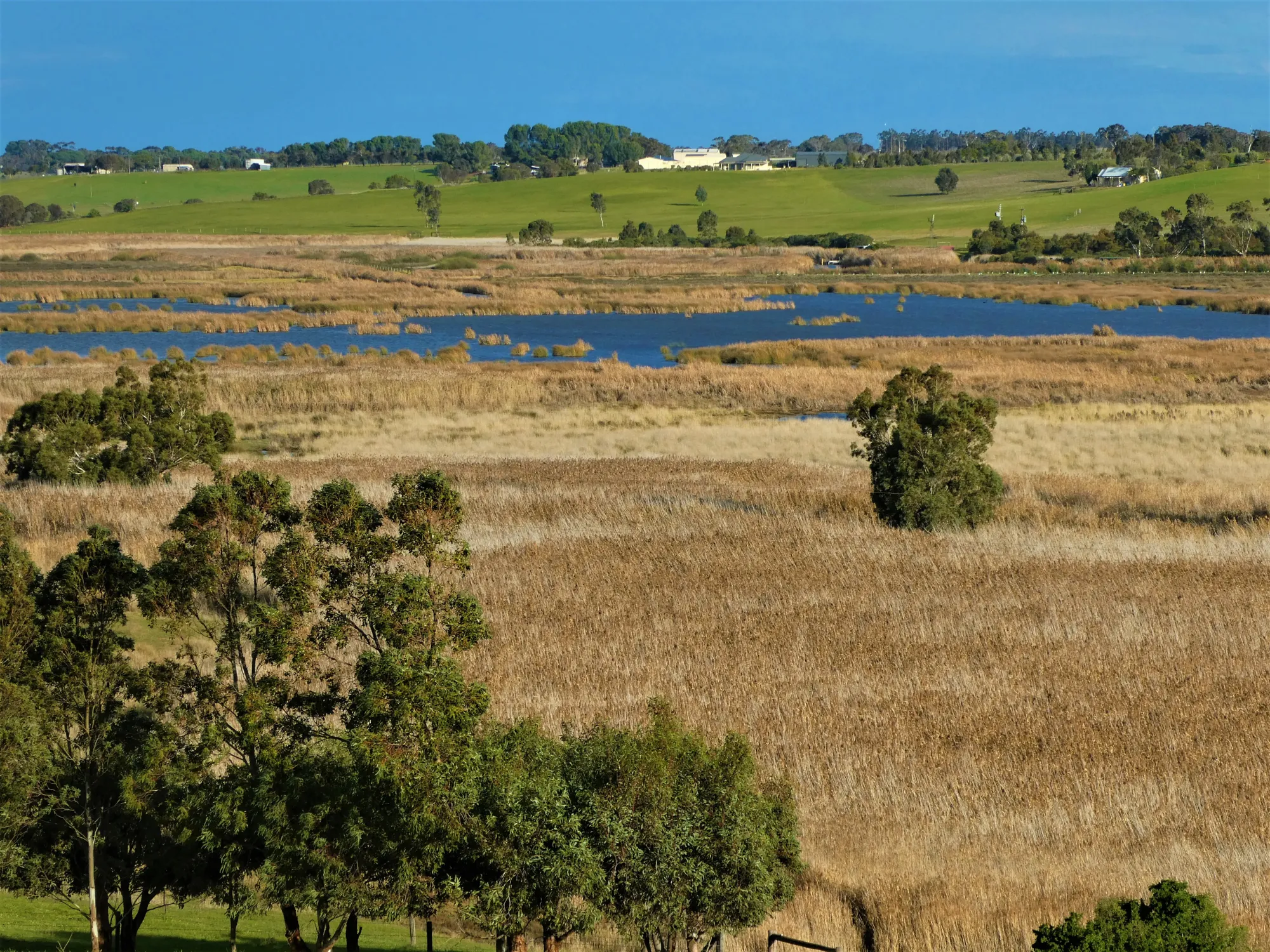
The Finniss River supports a surprisingly rich aquatic and riparian ecosystem despite much of its catchment being cleared and grazed. Birdlife is plentiful throughout the trail, particularly around the Point A lake and the reed-lined banks of the upper reach. The reeds provide sheltered habitat and the quiet nature of the paddle makes for excellent wildlife observation.
The river's waters support a number of threatened fish species, including the Mountain Galaxias, Climbing Galaxias, Southern Pygmy Perch, Murray Hardyhead and Congolli — all recorded from the Finniss catchment in recent surveys. These species persist despite agricultural impacts on water quality, and their presence reflects the ecological value of the river system.
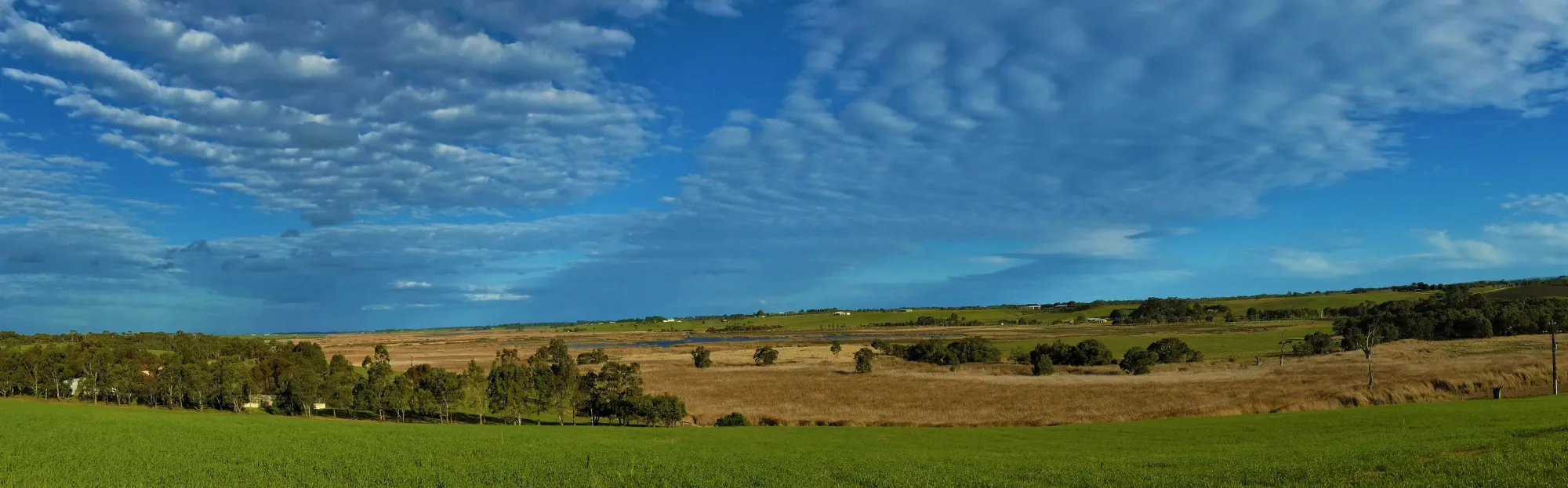
The most significant wildlife feature of this trail is the proximity to Watchalunga Nature Reserve — a 92-hectare swamp on the lower Finniss, managed by Nature Foundation SA. The reserve is the primary stronghold for the Mount Lofty Ranges Southern Emu-wren ( Stipiturus malachurus intermedius), a nationally endangered subspecies. The largest known population — estimated at 52 to 100 individuals — inhabits the swamplands here. This tiny bird, weighing around 7.5 grams and distinguished by its long filamentous emu-like tail feathers, is listed as endangered under both the Commonwealth EPBC Act and South Australia's National Parks and Wildlife Act. Conservation work at Watchalunga includes weed control, feral animal management, and community planting days to expand and improve habitat.
The reserve also provides important aquatic habitat for the Southern Bell Frog, a threatened species, and flora surveys have recorded 31 indigenous plant species. The Nature Foundation continues to work with the Ngarrindjeri people in cultural surveys and joint land stewardship of the reserve.
Ngarrindjeri Country
The Finniss River runs through Ngarrindjeri Country — the traditional lands of the Aboriginal peoples of the lower Murray River, eastern Fleurieu Peninsula and the Coorong. Within the Ngarrindjeri nation, the lands around Finniss were home to the Warki clan, whose territory extended from Milang to Strathalbyn and Currency Creek. Water was central to their way of life, with the river and the nearby lake providing a constant fresh supply and supporting a diet of fish, water birds, cockles, yabbies, kangaroo and wild plant foods.
The river itself bears the name of colonial surveyor Boyle Travers Finniss, who accompanied Surveyor-General William Light when he stepped ashore at Rapid Bay in September 1836 to begin laying out the colony of South Australia. Both rivers and the colonial history they represent are a reminder of how dramatically this landscape changed after European settlement. The Ngarrindjeri people mounted significant resistance to the loss of their fertile and productive lands, and their population suffered devastating decline with the introduction of disease and militia control.
Today, the Ngarrindjeri hold recognised native title over much of this country, with rights to access, fish, gather, and protect cultural sites. The partnership between Nature Foundation and the Ngarrindjeri people at Watchalunga Nature Reserve is an example of collaborative land stewardship that honours both ecological and cultural values.
Paddling Trails South Australia acknowledges the Ngarrindjeri people as the traditional custodians of this Country and pays respect to Elders past, present and emerging.
Local Wineries & Attractions
The Finniss River flows through wine country. The surrounding area and nearby Langhorne Creek are home to some of South Australia’s most significant vineyards, with a winemaking history dating back to the 1860s. The region is particularly well regarded for Cabernet Sauvignon and Shiraz. After completing your paddle, the Langhorne Creek and Finniss area wineries offer cellar door experiences just a short drive away — a fitting way to finish a day on the water.
For a list of wineries and cellar doors in the region, visit South Australia Tourism →